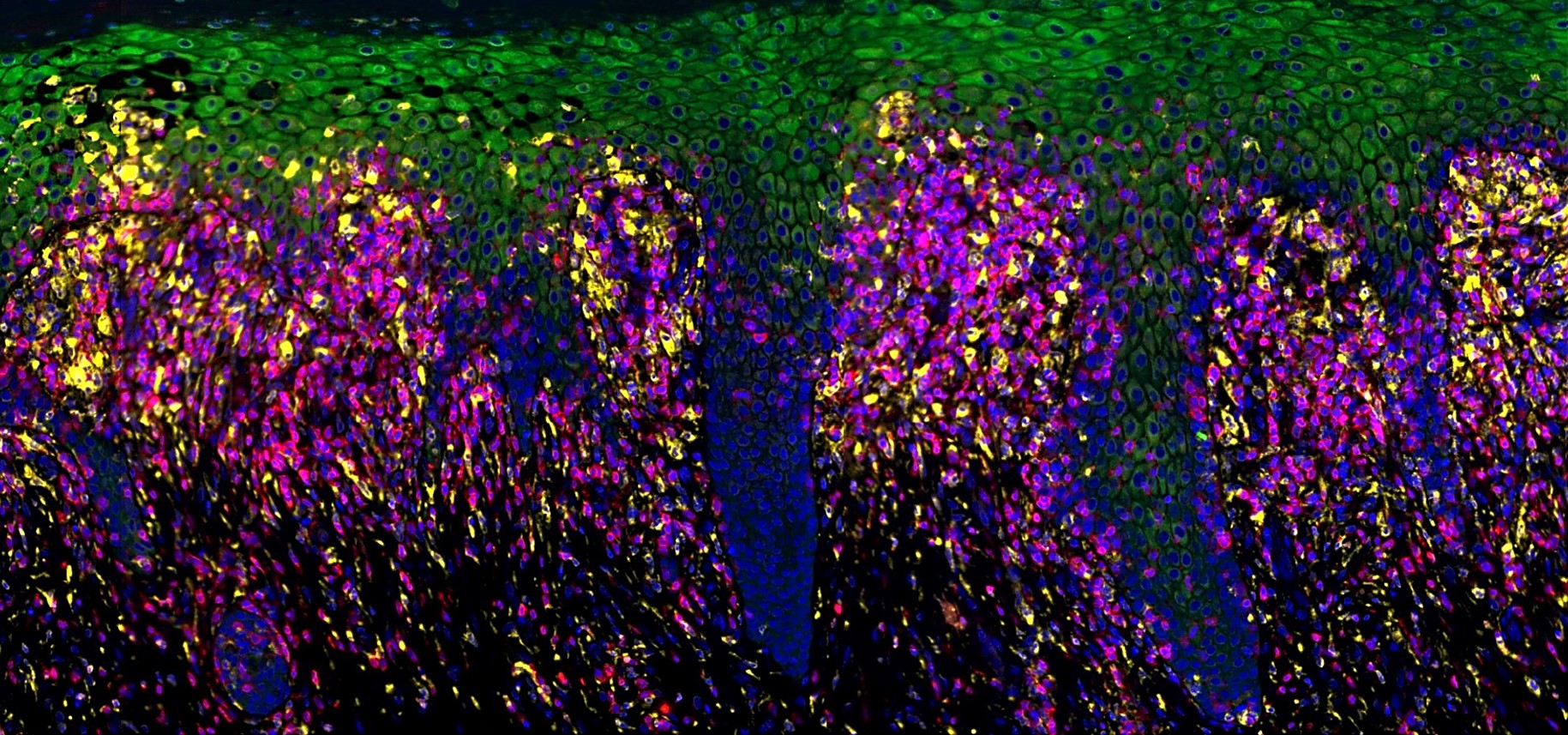
MC1R reduces scarring and rescues stalled healing in a novel preclinical chronic wound model Check out our new preprint manuscript here! https://www.biorxiv.org/content/10.1101/2022.11.30.518516v2
Cutaneous wound repair typically proceeds uneventfully, resulting in scar formation; however, chronic non-healing wounds (CWs) represent a global and escalating health burden causing substantial morbidity and mortality. Estimated to cost Medicare up to $96.8 billion pa and with a profound paucity of effective therapeutics, novel interventions to rescue the stalled healing response of CWs are urgently needed. In this study, we assess the impact of melanocortin 1 receptor (MC1R) agonism on acute wound healing using a selective agonist, BMS-470539 (MC1R-Ag). MC1R-Ag accelerated wound closure and reepithelialisation in wildtype but not MC1Re/e mice, which harbour a non-functional receptor. MC1R-Ag improved wound perfusion and lymphatic drainage by promoting angiogenesis and lymphangiogenesis, reducing local oxidative stress and inflammation with a knock-on effect of reduced scarring. To assess whether manipulating MC1R would be of benefit in pathological healing, we developed a novel murine model of CWs. By combining advanced age and locally elevated oxidative stress, factors shown to be present in most human CWs regardless of category, resultant wounds expand into the surrounding tissue, generate exudate and slough. Histological comparisons to human CWs demonstrate robust recapitulation of the hallmarks of human disease, including hyperproliferative epidermis and fibrinous exudate. Leveraging this model, we demonstrate that topical administration of MC1R-Ag, following ulcer debridement, rescues the stalled healing response, whereas abrogation of MC1R signalling in MC1Re/e mice exacerbates CWs. Collectively, we highlight MC1R agonism as a candidate therapeutic approach for acute and CWs and remove a critical barrier in CW research by providing a novel, humane preclinical model.







 Cash Lab